
Meal prep helps with weight loss for one plain reason: it makes the decision about lunch before you’re hungry. You cook once, count the calories once, and on a Tuesday at 1 p.m. the only choice left is which container to grab.
Honestly, that’s it. No magic food, no special plan. Just fewer chances to wing it.
I’m Ernest, and I’m not a trainer, a dietitian or a doctor. I’m a guy who reads the label, reads the study, and does the arithmetic out loud. If you have a health condition, take medication, are pregnant, are under 18, are already underweight, or have a history of disordered eating, talk to your doctor before you change how you eat. A meal prep routine is a tool. It isn’t medical advice.
Here’s what I’ll cover:
- what the research on meal planning actually found (and what it didn’t)
- how to set your calorie number before you cook anything
- one container, counted once, with the real numbers
- the food-safety rule that made me prep twice a week instead of once
- containers and portions, plus the freezer
- what to do when the scale stalls anyway
What the Research on Meal Planning Found
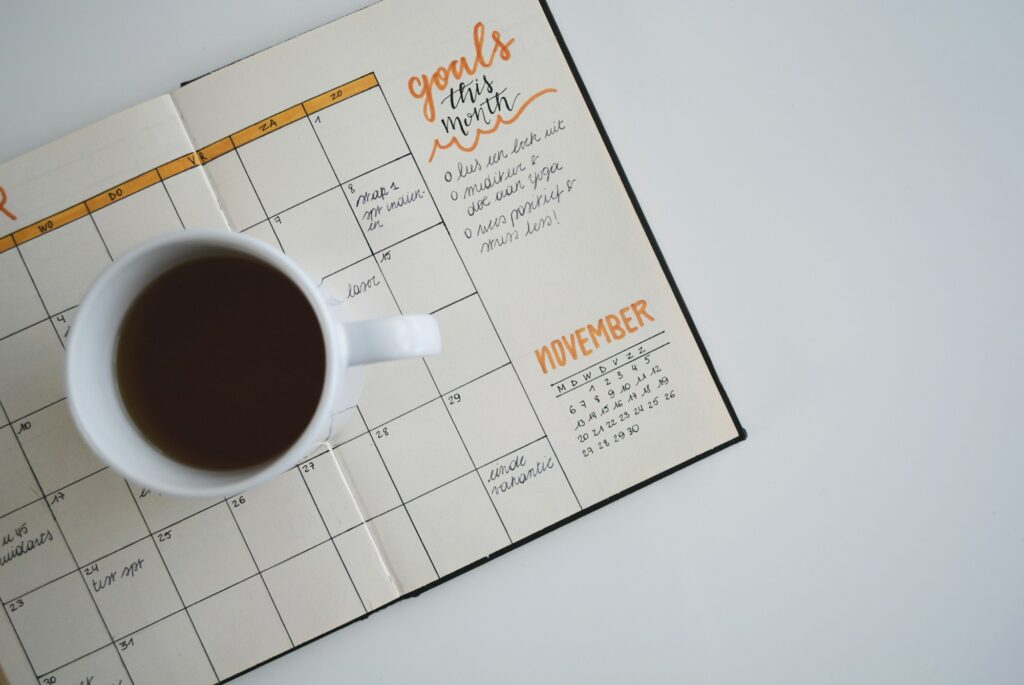
The best study I found on this is a big one from France. In 2017, researchers looked at 40,554 adults in the NutriNet-Santé study and asked a simple question: do people who plan their meals ahead eat differently?
About 57% of them said they planned meals at least once in a while. The planners were more likely to eat a wider variety of foods and to score higher on the French nutrition guidelines.
The weight part is the bit everybody quotes. Women who planned meals had lower odds of being overweight, and lower odds of obesity, about 21% lower. In men, the link showed up for obesity only.
Now the boring answer. This was a survey taken at one point in time, and the authors say plainly that it can’t prove cause and effect. Maybe planning helps people eat better. Maybe people who already eat well are the planning type. Probably some of both.
What it does tell me is that planning ahead and a healthier plate tend to show up together, in a lot of people. That’s enough for me to try it, and it’s a lot more than most diet trends can say.
Start With Your Number, Not a Recipe
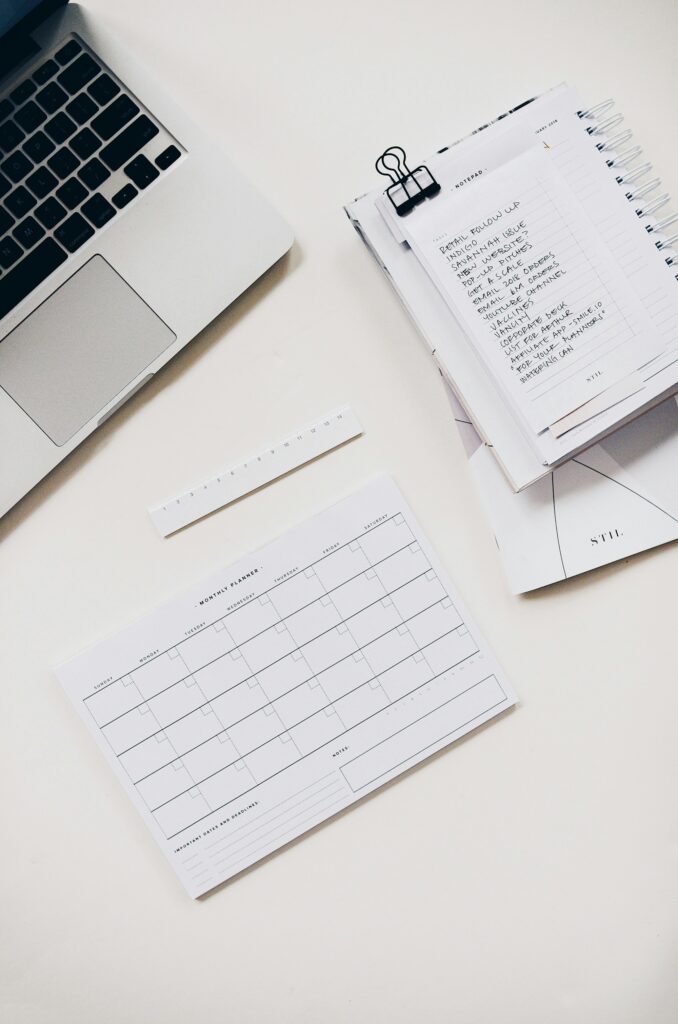
Meal prep only helps you lose weight if the containers add up to a calorie deficit. Twelve containers of healthy food can still be too much food.
Harvard Health puts the math simply. To lose 1 to 2 pounds a week, eat 500 to 1,000 calories a day less than you need to maintain your weight. In their example, someone who maintains on 2,325 calories would eat between 1,325 and 1,825.
There’s also a floor, and I take it seriously. Harvard Health says calories shouldn’t fall below 1,200 a day for women or 1,500 a day for men, except under a health professional’s supervision. Going lower can leave you short on the nutrients you need.
And slower is fine. The CDC says people who lose weight at about 1 to 2 pounds a week are more likely to keep it off than people who lose it faster. A plan that drops 20 pounds in 2 weeks isn’t a plan. It’s a crash diet, and I won’t write one.
So before you buy a single container, get your number. Our free calorie deficit calculator does the math, and it won’t go under those floors. If you’re not sure how much protein to aim for, the protein calculator is on the same page of tools.
One Container, Counted Once
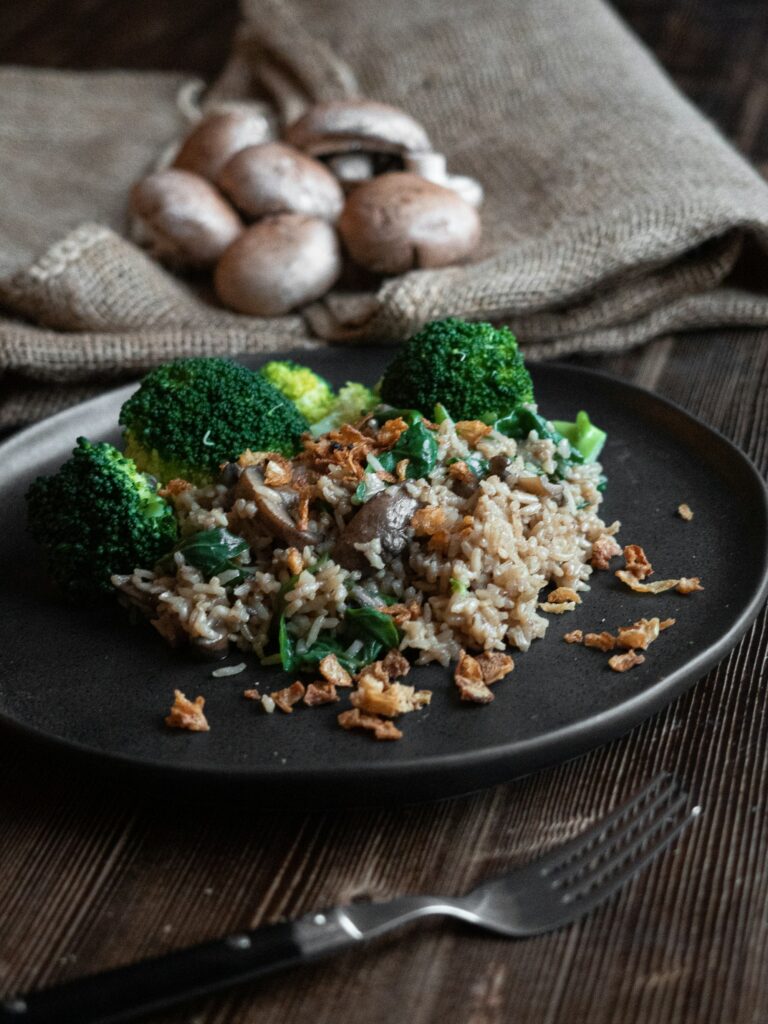
This is the part where meal prep earns its keep. You do the counting one time, on a Sunday, and then you’re done for days.
Here’s the container I make most. The numbers come from the USDA’s FoodData Central database, for cooked food:
- 120 g of roasted chicken breast: about 198 calories and 37 g of protein
- 150 g of cooked brown rice: about 185 calories and 4 g of protein
- 100 g of boiled broccoli: about 35 calories and 2 g of protein
That comes to roughly 420 calories and 44 g of protein, before any oil.
The oil is where people kinda fool themselves, me included. The label on my olive oil says 120 calories per tablespoon. One extra glug in the pan, split across four containers, barely moves anything. A glug in each container on its own is a different story. I measure the oil with a spoon, once, for the whole batch.
I weigh the cooked food on a cheap kitchen scale for the first couple of weeks. After that, I mostly know what 150 g of rice looks like in my containers, and I just check myself every so often.
The 4-Day Rule: Why I Prep Twice a Week
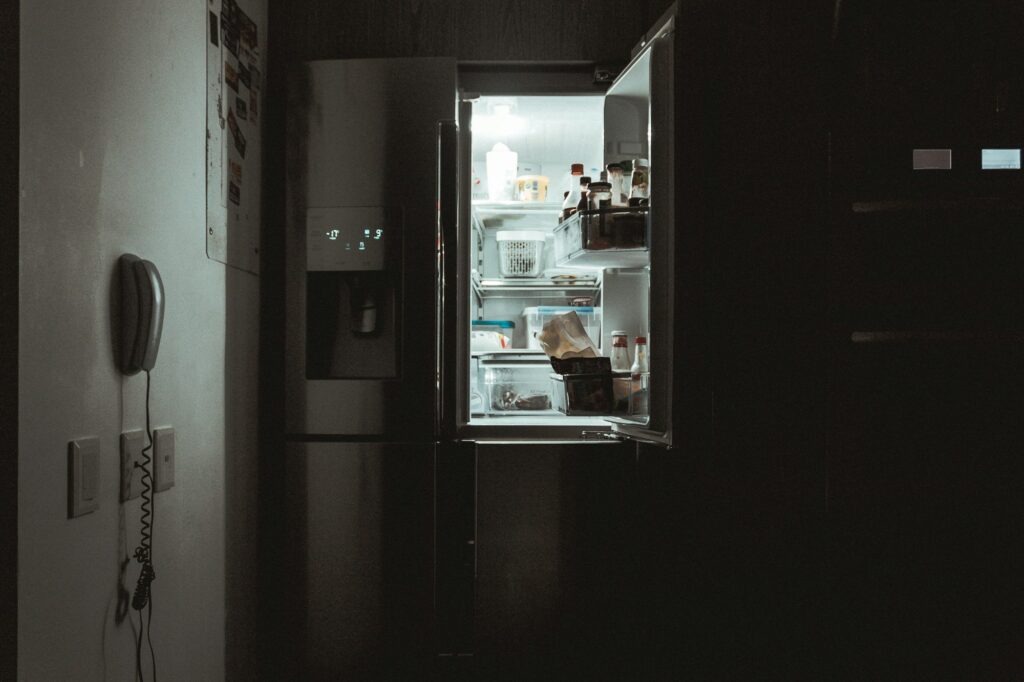
When I started, I cooked seven days of lunches on a Sunday. Turns out that’s a mistake. I read the USDA’s page on leftovers and stopped.
The USDA says leftovers can be kept in the fridge for 3 to 4 days. Frozen, they’re fine for 3 to 4 months for best quality. So a Sunday batch covers Monday through Wednesday, and the rest of the week needs either a second batch or the freezer.
The other rules on that page are just as practical:
- Get cooked food into the fridge within 2 hours. If it’s over 90 °F, like at a summer cookout, make that 1 hour.
- Split big batches into shallow containers so they cool fast. A big pot of soup takes a long time to cool, and that’s when bacteria multiply.
- Keep the fridge at 40 °F or below.
- Cover the containers or seal them airtight.
- When you reheat, get the food to 165 °F, checked with a food thermometer.
So now I cook on Sunday and again on Wednesday night. The Wednesday batch is smaller and quicker, usually one protein and one pan of vegetables. Honestly, two short sessions are easier to keep up than one giant one anyway.
Containers and Portions
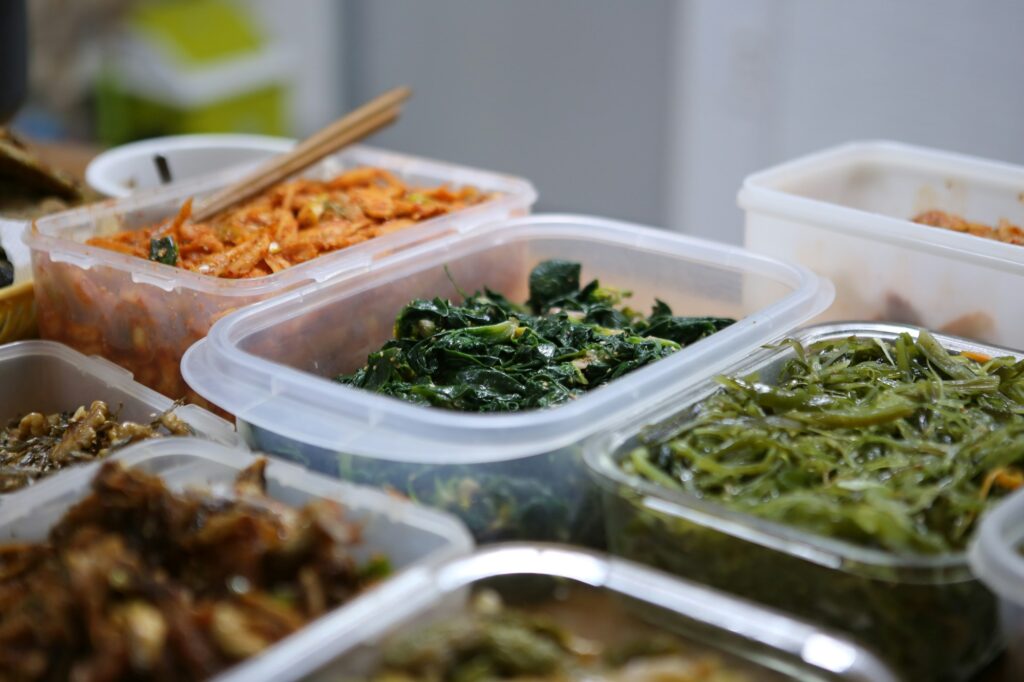
You don’t need anything fancy. I use plain glass containers with snap lids, all the same size, because same-size containers make portions automatic.
A few things I learned the hard way:
- Shallow beats deep. The food cools faster, and you can see what’s in there.
- Write the day you cooked it on a strip of tape on the lid. “Sun” is enough. It saves a lot of sniffing on Thursday.
- Keep the sauce on the side when you can. A spoonful of dressing is easy to count. A drowned container isn’t.
- Fill half of each container with vegetables. That’s the easiest way I know to get a full-looking lunch for fewer calories.
If you’re wondering whether a food belongs in the rotation at all, our “Is it good for weight loss?” checker gives a quick, honest answer.
What I Cook in a Batch
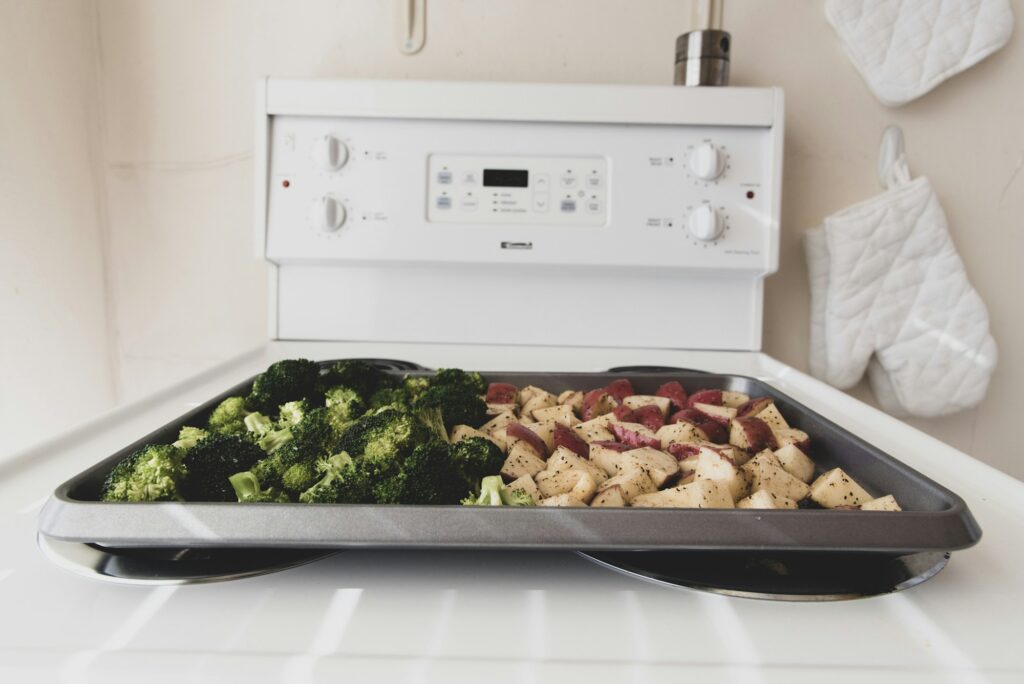
Batch cooking works best with foods that still taste fine on day three. Here’s what’s on my list most weeks:
- Chicken breast or thighs, roasted on one sheet pan
- Eggs, hard-boiled, a dozen at a time
- Brown rice or potatoes
- A pot of beans or lentils
- Two sheet pans of vegetables: broccoli, peppers, onions, whatever’s on sale
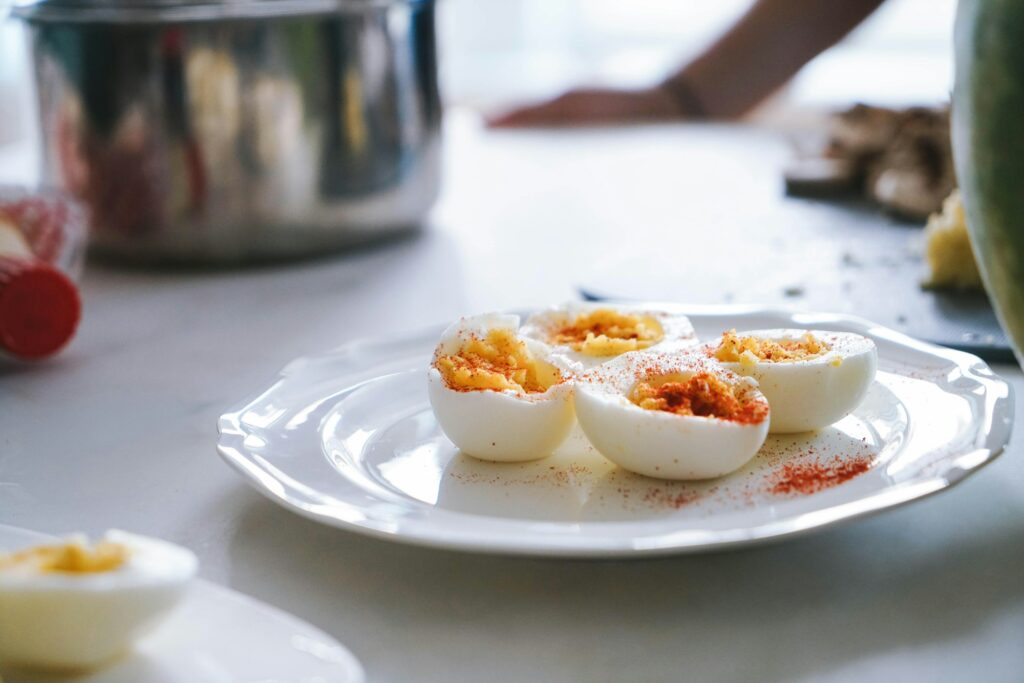
I cook the protein and the vegetables at the same time in the oven, and the rice on the stove. The whole thing takes about an hour and a half, including the dishes.
For more ideas, I’ve got 6 chicken recipes for weight loss that all hold up well in a container.
The Freezer Is Your Backup Plan

Every week, something goes sideways. A late meeting. A kid’s game. A night you just can’t face the stove.
That’s what the freezer is for. Whenever I cook a batch, I put two portions straight into the freezer. On a bad night, dinner is already counted and already made.
The USDA’s thawing advice is simple. Thaw in the fridge, in cold water, or in the microwave. The fridge is slowest, but the food stays safe the whole time. Once it’s thawed, use it within 3 to 4 days. And reheat it to 165 °F, same as any leftover.
Freezer meals don’t go bad in 3 to 4 months, by the way. The USDA says frozen leftovers are safe indefinitely, but they lose moisture and flavor over time. I just try to eat mine within a month or so.
When the Scale Stalls Anyway
Here’s the honest part. Meal prep won’t stop the plateau. Nothing does. Somewhere in the first couple of months, the scale will sit still for a week or two even when you’ve done everything right.
When that happens, I check three boring things before I change anything:
- Portions creeping up? Weigh a few containers again.
- Oil creeping up? Measure it again.
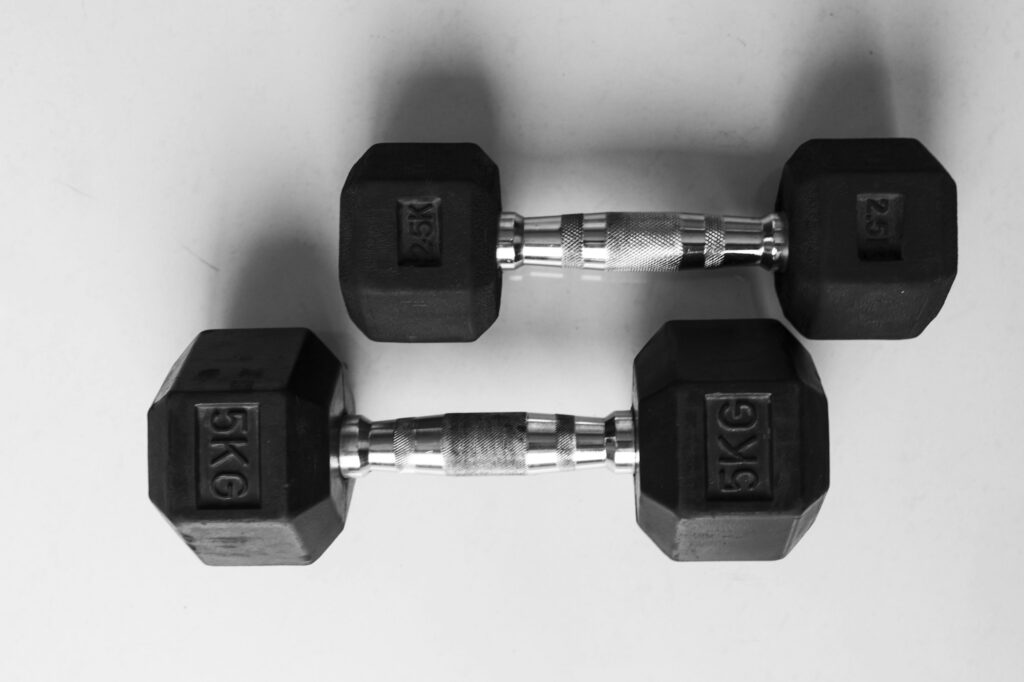
- Still moving? A brisk walk most days, and some dumbbells in my living room twice a week.
What I don’t do is cut calories below the floor. Under 1,200 a day for women or 1,500 for men, Harvard Health says, only with a health professional’s supervision. If the scale hasn’t moved in a long time, or you’re losing much faster than 2 pounds a week, that’s a conversation for your doctor, not a reason to eat less.
READ: Healthy Meal Plan for Weight Loss
The Boring Answer
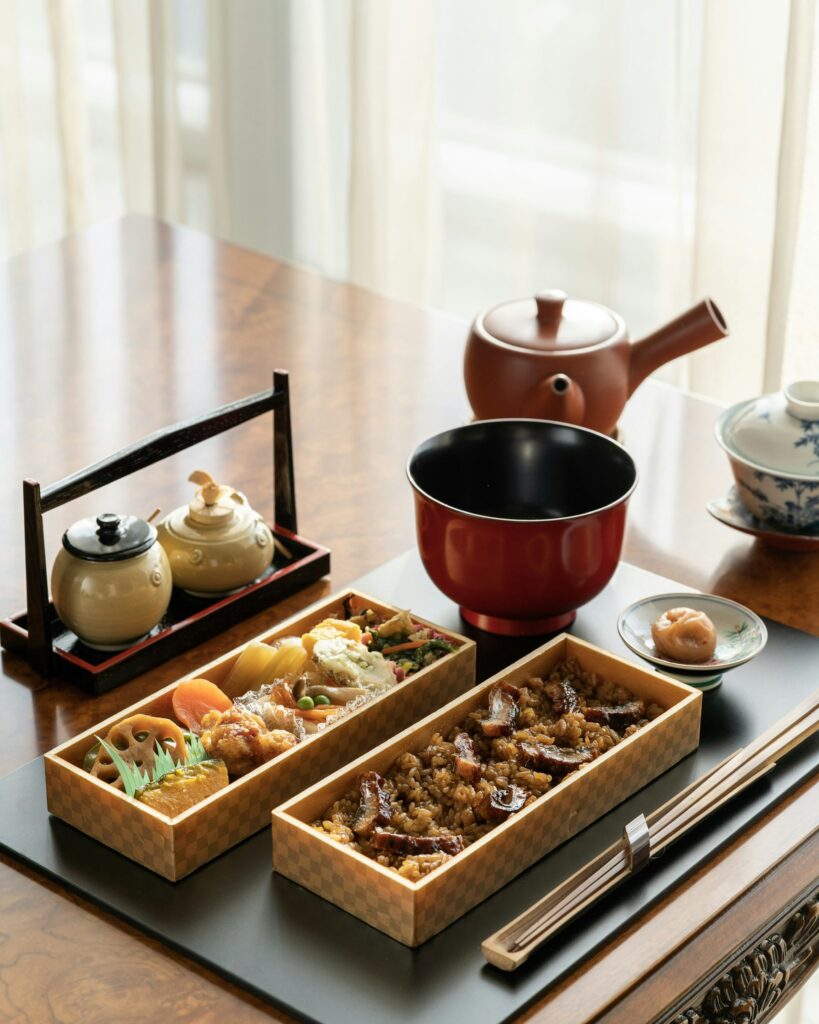
Meal prep isn’t a diet. It’s a way to make your calorie deficit easier to keep on the days you don’t feel like thinking about it.
Get your number first. Count one container, once. Cook twice a week so nothing sits in the fridge past 4 days, and keep a couple of portions in the freezer for the bad nights. Aim for 1 to 2 pounds a week, and never go under the floor.
It’s not exciting. It works because it’s not exciting.
Tell me what’s in your containers this week, down in the comments. I read them all.