
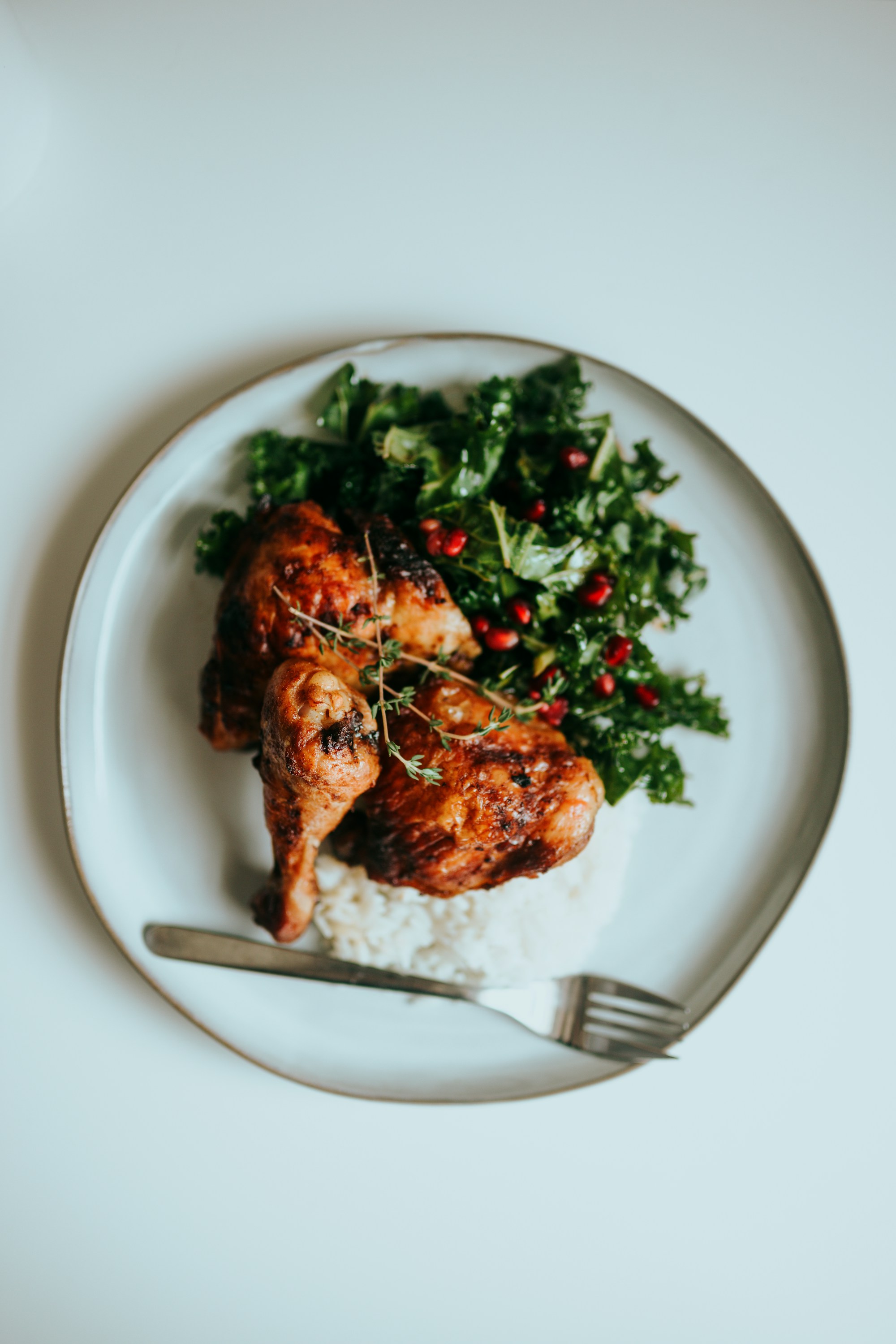

Chicken breast gets the diet-plan halo, and thighs get side-eyed because they’re darker and fattier. Then you put the two on a scale and the gap shrinks to about 12 calories in a 3-ounce serving. That’s it. The boring answer is that both fit a fat-loss week, and the real swing comes from the skin, the oil and the portion.
If you’re managing a health condition or taking medication, your doctor is the person to ask before you change how you eat, because the right cut and portion can depend on it.
The Numbers: Thigh vs Breast, Cooked

Here are the USDA’s figures for roasted chicken, skinless, per 100 grams (a bit under 3.5 ounces). A thigh comes in at 179 calories, 24.8 grams of protein and 8.15 grams of fat. A breast comes in at 165 calories, 31.0 grams of protein and 3.57 grams of fat.
Saturated fat follows the same pattern: 2.31 grams in the thigh and 1.01 in the breast. So the breast has fewer calories, about a quarter more protein and less than half the fat. The difference is real, just small on a plate. In a 3-ounce cooked serving (85 grams), the thigh is about 152 calories and the breast about 140. Protein is about 21 grams against 26.
One trap on the scale itself: these figures are for cooked meat. Chicken loses water in the oven, so 100 grams cooked holds more meat than 100 grams raw. Weigh it raw and use raw numbers, or weigh it cooked and use cooked ones. Mixing the two is an easy way to throw off a food log, and just as easy to avoid.
Skin On or Off: Where the Calories Hide

The skin is where the numbers jump. A roasted thigh with the skin on is 232 calories per 100 grams with 14.7 grams of fat, against 179 without it. A breast goes from 165 to 197 with the skin. So the skin adds 53 calories per 100 grams on a thigh and 32 on a breast.
The skin by itself is 454 calories per 100 grams, with 40.7 grams of fat. Nobody eats 100 grams of skin, but it explains why crispy thighs on a takeout menu are so different from the ones you pull off the bone at home.
Skin also carries saturated fat. A thigh with the skin on has 4.11 grams per 100 grams against 2.31 without, and a breast goes from 1.01 to 2.19. If you love crisp skin, I’d say eat it on purpose and count it, instead of pretending it isn’t there. If you don’t care, take it off before you eat and the thigh is a lean-enough dinner.
What a Swap Is Worth on the Scale

A 6-ounce cooked dinner portion is about 170 grams. A skinless thigh is roughly 304 calories there, and a skinless breast roughly 281. That’s a gap of about 24 calories a dinner. Five chicken dinners a week make the difference about 120 calories across the entire week.
Compare that with the skin. A thigh with the skin on at the same 6 ounces is about 394 calories, so against a skinless breast the gap is around 114 calories a dinner, or about 570 over five dinners. And that’s before the oil in the pan or the sauce on top. Cooking oil is about 884 calories per 100 grams, and a tablespoon is roughly 14 grams, so one generous pour is around 120 calories. That single spoonful matches the entire week’s thigh-versus-breast gap.
Protein goes the other way: about 42 grams from the thigh and about 53 from the breast at that portion. If you’ve read our post on whether high protein is good for weight loss, you know protein isn’t a magic switch, but it’s a handy way to feel full.
None of this beats a calorie deficit you can actually keep. The CDC says people who lose weight at a gradual, steady pace of about 1 to 2 pounds a week are more likely to keep it off. A 120-calorie swing across a week won’t move the scale by itself, and it won’t wreck a plateau-breaking plan either.
Why Thighs Stay Juicy and Breasts Dry Out

Cooks reach for thighs because they’re hard to ruin. Dark meat comes from muscles that work harder, so it carries more collagen and more fat, and a breast has far less collagen than a thigh. The collagen in a thigh starts turning into gelatin as the meat passes about 160°F. That’s why thighs are at their best at 170°F or higher, and plenty of cooks take them to 185°F, where they stay good up to about 200°F.
The safe minimum for every cut of chicken is 165°F, thighs and breasts included. A lean breast has almost no collagen to fall back on, so the window between done and dry is narrow, and a thermometer is the only honest way to hit it. A thigh forgives a few extra minutes. That’s a real plus when you’re cooking on a Tuesday night and the phone is ringing.
Where the Savings Usually Disappear

The cut matters less than what happens around it. Breading adds carbs and soaks up oil. A sweet glaze or a bottled sauce can quietly turn a 150-calorie serving of chicken into something closer to takeout. And a “healthy” chicken salad with a heavy dressing can add up fast.
I’d put the effort where the calories actually move. Measure the oil with a spoon, not a splash. Pick sauces you can read the label on, and check the serving size on the bottle, because it’s often smaller than the amount people pour. Add flavor with spices, lemon, garlic or mustard, none of which costs much.
A small detail that helps: cook two or three portions at once, but weigh and log one. Then you have a number you trust for the rest of the week.
Low-Carb Ways to Cook Thighs

Thighs don’t need breading, a sugary glaze or a creamy sauce to taste good. A few ways that keep the carbs and the calories low:
- Sheet pan: thighs on one side, broccoli or green beans on the other, with salt, paprika and garlic powder.
- Skillet: sear skin-side down, flip, then cover and finish until the thickest part reads at least 165°F.
- Air fryer: a hot, dry basket crisps the skin without a puddle of oil.
- Slow cooker: thighs with salsa or crushed tomatoes, then shred them into lettuce wraps or a salad bowl.
Pat the meat dry first, whichever way you go. A damp thigh steams instead of browning. And read the label on any spice blend or sauce, because sugar hides in barbecue rubs and bottled glazes.
Our chicken recipes for weight loss and Greek chicken meal prep bowls both work with thighs if you swap the cut, and our guide to meal prep for weight loss covers how to portion a batch.
When the Breast Still Wins

If protein is the priority, the breast wins. It has about 25 percent more protein per gram and fewer calories, and it’s the better pick when you’re stacking a high-protein lunch next to a bowl of rice and vegetables. Marinate it, pound it flat so it cooks evenly, and take it off the heat when it reaches 165°F.
Plenty of people do both. Thighs for the dinners where you want something juicy and forgiving, breast for the lunches you’re prepping in bulk. Neither needs a spot on a “good foods” list. Weight loss comes from the whole week, not from one cut of chicken.
Fitting Thighs Into a Fat-Loss Week
A plain plate does most of the work. Half of it goes to vegetables, a quarter to a starch you actually enjoy, and a quarter to the chicken, which at a 6-ounce cooked portion is a thigh or a breast and not both. That keeps dinner filling without making you count every bite. If you’re hungry an hour later, add more vegetables or a piece of fruit before you add more chicken.
On the days you eat out, order the grilled chicken, skip the creamy sauce, and ask for the dressing on the side. Nobody needs to turn down a restaurant dinner over a thigh.
Here’s how I’d handle it at home. Weigh the cooked meat once or twice so you know what a 6-ounce portion looks like on your plate, and then stop weighing. Take the skin off unless you’ve decided it’s worth the calories. Cook with a measured spoonful of oil, not a pour. Fill half the plate with vegetables, and add a brisk walk after dinner if you feel like it, which is a better use of ten minutes than hunting for a “fat-burning” food.
Both cuts work. If the scale stalls for a few weeks, look at the oil, the sauces and the portions before you blame the thigh. And if you have a medical reason to watch fat or protein, your doctor or a registered dietitian can tell you which cut and how much is right for you.